


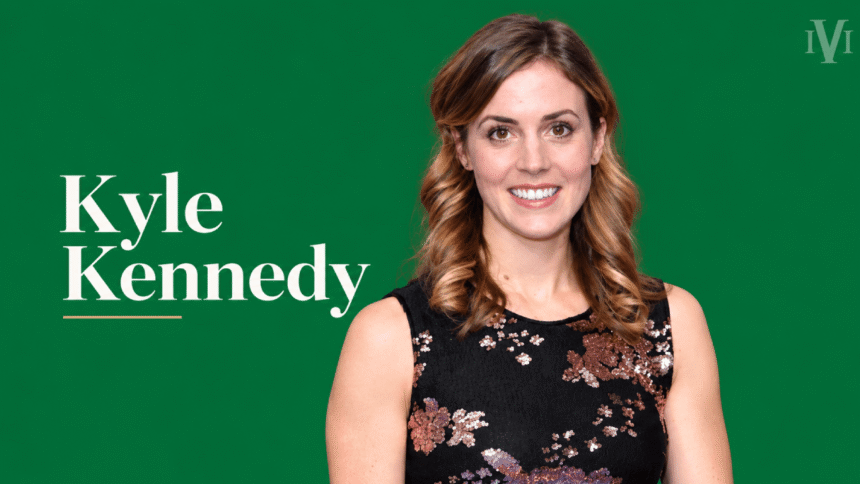
Kyle Kennedy, the granddaughter of Robert F. Kennedy and Ethel Kennedy, died on 21 September 2026 at her home in Westwood, Massachusetts. She was 42. Her death became widely reported on 20 October, prompting renewed attention to her work in education and her advocacy for people with disabilities.
As of 22 October, no confirmed cause of death had been publicly announced. Reporting citing the Westwood town clerk said the cause remained pending. Although Kennedy sustained a severe spinal cord injury in 2020, the available evidence does not establish that injury as the cause of her death.
Her surname connected her to one of America’s best-known families, but her own career centred on classrooms, educational opportunity and healthcare equality. The tributes following her death describe an educator, mother and advocate whose interests extended well beyond political life.
Who Was Kyle Kennedy?
Kyle Francis Kennedy was born on 6 July 1984 in Washington, DC, to Michael Kennedy and Victoria Gifford Kennedy. She spent much of her childhood in Cohasset, Massachusetts, and maintained strong connections to the state throughout her life.
Her paternal grandparents were Robert and Ethel Kennedy. Through her mother, she was also the granddaughter of former American football player and television broadcaster Frank Gifford.
Those relationships explain the national interest in her death. They place her within both an American political dynasty and a family familiar to sports and entertainment audiences.
Her adult work, however, followed a more specialised path. She pursued education through teaching, postgraduate study and efforts to improve the support available to children and educators. After acquiring a disability, she also spoke publicly about discrimination in healthcare.
A Strong Academic Foundation
Kennedy attended Milton Academy in Massachusetts before studying history at Georgetown University. She later earned a master’s degree in early education from Pace University and a master’s in education policy and management from the Harvard Graduate School of Education.
That progression combined a broad academic background with increasingly focused study of how children learn and how education systems operate.
Her qualifications also reflect the different scales at which she approached the subject. Early education concerns the experience of young children and their teachers; policy and management examine the institutions and decisions shaping those experiences.
The family obituary published by Burke Funeral Homes describes education as a sustained commitment across her working life. It also records a less public interest that developed during university: a semester in Florence left her with an enduring enthusiasm for Renaissance art and cooking.
From New York Classrooms to Education Reform
After college, Kennedy joined Teach for America and spent two years teaching in New York City public schools.
That classroom experience became the starting point for her subsequent career. She went on to support more equitable elementary education and charter schooling, work with technology companies seeking to improve curricula, and coach educators teaching young children.
These were connected areas of work rather than a departure from teaching. Curriculum development concerns what pupils encounter in the classroom, while coaching focuses on the adults responsible for delivering it.
Her career therefore moved between direct teaching and the wider structures supporting schools. The distinction matters when describing her legacy: “education advocate” can sound abstract, but the published account identifies practical work involving teachers, learning materials and children’s early experiences of school.
It would be difficult to quantify her individual impact from the public record alone. What is documented is a consistent professional focus on education, extending beyond the two years she spent as a classroom teacher.
Her Spinal Cord Injury and Disability Advocacy
In 2020, Kennedy sustained a severe spinal cord injury that resulted in long-term paralysis and other medical challenges.
The circumstances in which she suffered the injury have not been publicly explained in the reliable reporting reviewed. They should not be reconstructed from speculation or assumed from her previous sporting interests.
In the years afterwards, she became an advocate for people living with disabilities. Her work included testimony at the Massachusetts State House during a hearing concerning discrimination in healthcare.
Associated Press reporting on her life identified that testimony as a significant part of her public contribution.
Her advocacy brought a different form of experience into a policy setting. Education had already led her to questions about opportunity and institutional support; disability rights added concerns about how people are treated within healthcare.
The available accounts establish that she spoke on those issues. They do not provide enough detail to attribute a particular legislative outcome to her involvement.
Marriage, Motherhood and Family Life
Kennedy married Liam Kerr in 2012. They later divorced, and her obituary identifies him as her former husband.
They had three children: Conor, Josephine and Declan. Josephine, also known as Josie, died shortly after birth. Kennedy is survived by her two sons.
That history requires careful wording. Kerr should not be described as her husband at the time of her death, and references to her children should acknowledge the family’s loss without making it the defining feature of their lives.
Her aunt Kerry Kennedy’s tribute placed particular emphasis on motherhood alongside her professional work. The family’s published remembrance similarly described her efforts to remain present for her sons during the difficult years following her injury.
Those accounts offer a personal perspective on a woman whose public identity was often introduced through her famous relatives.
Running, Travel and Life Away from Work
Kennedy’s family also remembered her competitive streak, sense of humour and enthusiasm for being outdoors.
She completed the Boston Marathon in 2019, running under the name Kyle Kerr. The family obituary recalled that she finished in heavy rain and bettered her father’s marathon time.
Other memories were smaller and more domestic: enjoying card games, making pasta and caring for her dogs. Travel photographs documented experiences ranging from Massachusetts beaches to Uganda.
These details add texture to a biography otherwise dominated by education, disability and family connections. They show the interests and routines through which relatives remembered her.
They also help avoid reducing her life to the injury she sustained in 2020. Her sporting past belongs within her story, while her identity and relationships continued after her circumstances changed.
The Kennedy Family’s Tributes
On 21 October, Kerry Kennedy publicly mourned her niece, describing her as a “bright light and gentle spirit”.
Her message remembered Kyle as a committed educator and devoted mother, and expressed sympathy for her sons, mother and siblings.
The emphasis was personal. Rather than presenting her primarily as another member of a celebrated dynasty, the tribute focused on the relationships and responsibilities closest to her.
That perspective is particularly relevant because reporting about Kennedy family deaths often returns to earlier losses. Kyle’s father, Michael, died in a skiing accident in Colorado on 31 December 1997, when she was 13.
That event forms part of her childhood history, but it does not explain her own death. Each loss has its own circumstances, and the absence of a confirmed cause in her case should remain explicit.
Remembering Kyle Kennedy’s Own Contribution
The clearest account of Kennedy’s life emerges from the work and relationships recorded by her family: teaching children, supporting educators, raising her sons and speaking about disability discrimination.
Her death has brought those contributions to a wider audience. Her family name explains much of the attention, while her individual choices explain what that attention should preserve.
With the cause of death still unconfirmed, her documented life offers the most meaningful basis for remembrance: a sustained commitment to education, family and fair treatment.
Frequently Asked Questions
Who was Kyle Kennedy?
Kyle Francis Kennedy was an educator and disability-rights advocate. She was the daughter of Michael Kennedy and Victoria Gifford Kennedy, and a granddaughter of Robert and Ethel Kennedy.
When did Kyle Kennedy die?
She died on 21 September 2026 at her home in Westwood, Massachusetts, aged 42. Her death was widely reported on 20 October.
What was Kyle Kennedy’s cause of death?
As of 22 October 2026, no confirmed cause had been publicly announced. Reports citing the Westwood town clerk said it remained pending.
What happened to Kyle Kennedy in 2020?
She sustained a severe spinal cord injury that resulted in long-term paralysis. The circumstances of the injury have not been publicly disclosed.
Was Kyle Kennedy married?
She was previously married to Liam Kerr. They had divorced before her death.
What did Kyle Kennedy do professionally?
She taught in New York City through Teach for America, later worked in education reform and educator coaching, and became an advocate for people with disabilities.
Read more like on Brian Hickerson: Background, Relationship with Hayden Panettiere and Legal History.